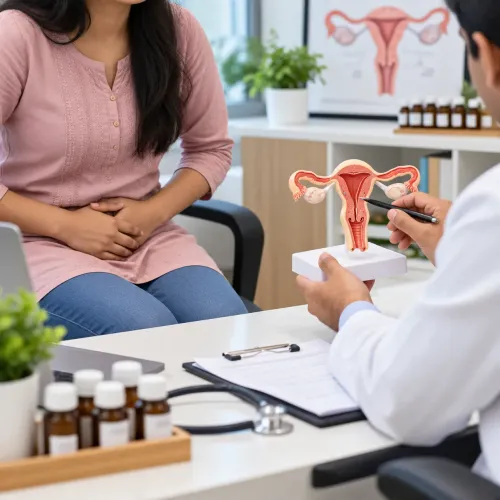
Chronic UTI is a persistent or recurrent infection of any part of the urinary system (urethra, bladder, ureters, kidneys) that: lasts more than 3 months, or recurs repeatedly despite treatment.
It may be low-grade (smouldering infection) or repeated acute episodes with symptom-free intervals.
________________________________________
Causes of Chronic UTI
1. Infective Causes
Incomplete eradication of bacteria (commonly E. coli, Proteus, Klebsiella)
Biofilm formation by bacteria — protects them from antibiotics, allowing them to persist
Presence of resistant strains due to repeated antibiotic use
________________________________________
2. Structural & Anatomical Causes
Vesicoureteral reflux (backflow of urine from bladder to kidneys)
Urethral strictures
Bladder diverticula (pouches in bladder wall)
Enlarged prostate in men (BPH)
Kidney or bladder stones (act as nidus for infection)
________________________________________
3. Functional & Neurological Causes
Incomplete bladder emptying (urinary retention)
Neurogenic bladder (nerve damage causing weak bladder contractions)
Dysfunctional voiding habits
Constipation (can compress bladder outlet)
________________________________________
4. Systemic Predisposing Factors
Diabetes mellitus (high sugar promotes bacterial growth)
Immunosuppression (HIV, chemotherapy, steroid use)
Hormonal changes (menopause, pregnancy)
Poor personal hygiene
Frequent sexual intercourse or use of spermicides
________________________________________
Pathology and Progression
Persistent infection → chronic inflammation → damage to urothelium → fibrosis → decreased bladder elasticity and capacity
Can ascend to kidneys → chronic pyelonephritis → scarring → renal damage and chronic kidney disease
________________________________________
Symptoms of Chronic UTI
Frequent urination (day and night)
Urgency and burning while passing urine
Lower abdominal / suprapubic pain or discomfort
Cloudy or foul-smelling urine
Blood in urine (occasionally)
Feeling of incomplete emptying
Repeated episodes of acute UTI
General malaise, low-grade fever
________________________________________
Complications if Untreated
Chronic cystitis (bladder inflammation)
Chronic pyelonephritis (kidney infection)
Renal scarring and eventual kidney failure
Sepsis (if infection spreads to blood)
Reduced bladder capacity and contractility
________________________________________
Scope of Homoeopathy in Chronic UTI
Homoeopathy plays an important role both in controlling active infection and preventing recurrence, by enhancing immunity and treating the individual as a whole.
Individualized, long-term treatment focusing on removing the tendency to infection.
Enhances local resistance of urinary tract mucosa, Corrects underlying systemic tendencies (like diabetes, hormonal imbalance, stress)
Aims at preventing relapses and avoiding complications
Common constitutional remedies (selected as per totality):
Advantages of Homoeopathy
Treats root cause and susceptibility
Strengthens immunity and reduces frequency of infection
Safe, non-toxic and suitable for children, pregnant women, elderly
Reduces dependence on antibiotics and prevents resistant infections
Helps preserve kidney and bladder health long-term
It may be low-grade (smouldering infection) or repeated acute episodes with symptom-free intervals.
________________________________________
Causes of Chronic UTI
1. Infective Causes
Incomplete eradication of bacteria (commonly E. coli, Proteus, Klebsiella)
Biofilm formation by bacteria — protects them from antibiotics, allowing them to persist
Presence of resistant strains due to repeated antibiotic use
________________________________________
2. Structural & Anatomical Causes
Vesicoureteral reflux (backflow of urine from bladder to kidneys)
Urethral strictures
Bladder diverticula (pouches in bladder wall)
Enlarged prostate in men (BPH)
Kidney or bladder stones (act as nidus for infection)
________________________________________
3. Functional & Neurological Causes
Incomplete bladder emptying (urinary retention)
Neurogenic bladder (nerve damage causing weak bladder contractions)
Dysfunctional voiding habits
Constipation (can compress bladder outlet)
________________________________________
4. Systemic Predisposing Factors
Diabetes mellitus (high sugar promotes bacterial growth)
Immunosuppression (HIV, chemotherapy, steroid use)
Hormonal changes (menopause, pregnancy)
Poor personal hygiene
Frequent sexual intercourse or use of spermicides
________________________________________
Pathology and Progression
Persistent infection → chronic inflammation → damage to urothelium → fibrosis → decreased bladder elasticity and capacity
Can ascend to kidneys → chronic pyelonephritis → scarring → renal damage and chronic kidney disease
________________________________________
Symptoms of Chronic UTI
Frequent urination (day and night)
Urgency and burning while passing urine
Lower abdominal / suprapubic pain or discomfort
Cloudy or foul-smelling urine
Blood in urine (occasionally)
Feeling of incomplete emptying
Repeated episodes of acute UTI
General malaise, low-grade fever
________________________________________
Complications if Untreated
Chronic cystitis (bladder inflammation)
Chronic pyelonephritis (kidney infection)
Renal scarring and eventual kidney failure
Sepsis (if infection spreads to blood)
Reduced bladder capacity and contractility
________________________________________
Scope of Homoeopathy in Chronic UTI
Homoeopathy plays an important role both in controlling active infection and preventing recurrence, by enhancing immunity and treating the individual as a whole.
Individualized, long-term treatment focusing on removing the tendency to infection.
Enhances local resistance of urinary tract mucosa, Corrects underlying systemic tendencies (like diabetes, hormonal imbalance, stress)
Aims at preventing relapses and avoiding complications
Common constitutional remedies (selected as per totality):
Advantages of Homoeopathy
Treats root cause and susceptibility
Strengthens immunity and reduces frequency of infection
Safe, non-toxic and suitable for children, pregnant women, elderly
Reduces dependence on antibiotics and prevents resistant infections
Helps preserve kidney and bladder health long-term
Keywords